Signs You May Need Cataract Surgery: Key Indicators
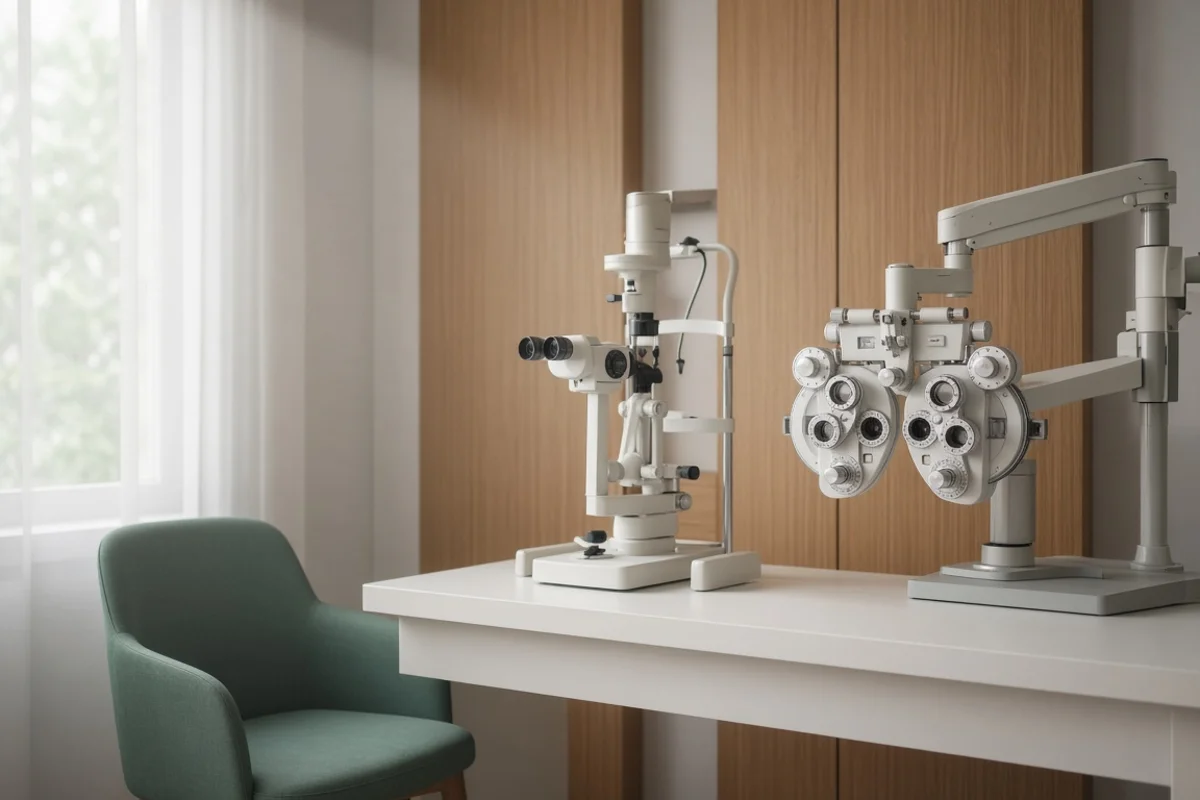
The most common signs you may need cataract surgery are cloudy or blurred vision, glare from headlights or sunlight, halos around lights at night, faded colours and frequent changes to your glasses prescription. Cataracts develop slowly, so many people adapt without noticing how much their sight has changed. Surgery is usually considered once these symptoms make driving, reading or recognising faces difficult.
Mr Zine Elhousseini is a Consultant Ophthalmic Surgeon in London specialising in complex cataract surgery, vitreoretinal surgery and medical retina. He sees patients at the Royal Free London in Hampstead and the Hospital of St John and St Elizabeth in St John’s Wood. Every patient is seen and treated by him personally, from first assessment to cataract surgery and aftercare.
What Is a Cataract and Why Does It Affect Vision?
A cataract is a clouding of the eye’s natural lens, which sits behind the pupil and focuses light onto the retina. As the lens becomes less clear, light scatters instead of passing straight through. This causes blur, glare and reduced contrast. Cataracts are very common: NHS England reports that more than 450,000 cataract operations are carried out each year, about 6% of all surgery.
Most cataracts are age-related and caused by natural protein changes in the lens. Others are linked to diabetes, long-term steroid use, eye injury, previous eye surgery, strong short-sightedness, smoking or heavy sun exposure. A cataract is not a growth or a film over the eye. It cannot be reversed with drops, exercises or diet, and surgery remains the only effective treatment.
4 Early Signs You May Need Cataract Surgery
Early changes are often subtle. Many people feel as if their glasses are always smudged, or that light behaves differently. Spotting these signs early allows time to monitor and plan rather than rush a decision.
1. Blurred, Cloudy or Misty Vision
Vision may look dull or hazy. Unlike a simple focusing problem, this blur does not clear fully with new glasses. If an updated prescription no longer sharpens your sight, it is one of the clearest signs you may need cataract surgery in time.
2. Glare, Halos and Difficulty Driving at Night
Scattered light causes starbursts around streetlights and dazzle from oncoming headlights. Many people quietly stop driving at night before they mention it to anyone. UK drivers must meet the legal eyesight standard, so trouble reading number plates should prompt an eye examination.
3. Faded Colours and Reduced Contrast
Cataracts often tint vision yellow or brown, so whites look creamy and blues appear muted. Contrast falls, making kerbs, stair edges and faces in dim light harder to see. Many patients only notice the difference after the first eye is treated.
4. Frequent Prescription Changes
A lens that is becoming denser can shift the eye’s focus. Some people briefly find they can read without glasses before their vision worsens again. Repeated prescription changes within a year or two are practical signs you may need cataract surgery assessment.
When Do Symptoms Become Clear Signs You May Need Cataract Surgery?
No single measurement decides when surgery is right. Surgery is usually considered when a cataract affects daily life, work, hobbies, driving or independence. It may also be advised when a cataract blocks the view needed to monitor another condition, such as diabetic retinopathy. These questions can help you decide:
- Have you reduced or stopped driving, especially after dark?
- Do you struggle to read books, screens, menus or medicine labels in good light?
- Do you feel less confident on stairs, kerbs or uneven pavements?
- Have you given up a hobby because of your sight?
- Do bright days or night-time lights cause uncomfortable dazzle?
- Have you had a fall or felt unsteady because of poor depth perception?
- Are faces harder to recognise across a room?
Answering yes to several of these suggests a specialist consultation is sensible. Waiting is reasonable if symptoms are mild, and delaying surgery does not usually cause lasting harm. However, very dense cataracts can make surgery more demanding, so indefinite delay is not always wise.
Signs You May Need Cataract Surgery Sooner
Some situations need earlier assessment. These include rapidly worsening vision, a cataract in one eye causing an imbalance between the eyes, or a cataract that blocks the view of the retina in someone with diabetes or retinal disease. A cataract linked to glaucoma or a narrow drainage angle also needs prompt review. Professional drivers and people whose work depends on fine detail may benefit from earlier surgery.
Symptoms That Are Not Caused by Cataracts
Some symptoms need same-day assessment rather than routine review. Sudden loss of vision, a curtain or shadow across your sight, a shower of new floaters, flashing lights, or sudden eye pain with redness are not typical of cataracts. They can signal retinal detachment or another urgent condition, and Mr Elhousseini offers same-day urgent appointments.
How Is a Cataract Diagnosed?
Diagnosis usually starts with a routine sight test at your optometrist, who can spot lens changes and refer you. A consultant assessment then confirms the cataract and rules out other causes of poor vision.
Your assessment will include a detailed history of your symptoms, health, medicines and visual needs. Your vision is measured, and a glasses test shows whether spectacles can still help. The cataract is graded with a slit lamp, your eye pressure is checked, and the retina and optic nerve are examined with dilating drops. If surgery is planned, biometry scans calculate the power of your new lens, and an OCT scan may be added if retinal disease is suspected.
This matters because macular degeneration, glaucoma or diabetic eye disease can limit how much surgery improves your sight. Mr Elhousseini’s background in medical and surgical retina means these conditions are identified and discussed before any decision is made.
What Does Cataract Surgery Involve?
On his cataract surgery page, Mr Elhousseini describes the operation as a day-case procedure taking under 10 minutes per eye, under local or general anaesthetic. A tiny incision is made at the edge of the cornea. The cloudy lens is broken up with ultrasound and removed, and a clear artificial lens is folded and placed inside the natural lens capsule. The incision usually seals without stitches.
In 2026, lens choices range from standard monofocal lenses to toric lenses for astigmatism and multifocal or extended depth of focus lenses. Premium lenses can reduce the need for glasses but have trade-offs. Moorfields Eye Hospital notes that 5 to 10% of people with trifocal lenses may see halos or glare around lights. Mr Elhousseini also offers refractive lens exchange, which uses the same technique with premium lenses.
What Is Recovery Like, and What Are the Risks?
Most people notice clearer vision within a few days and return to everyday activities soon afterwards, although vision can fluctuate at first. Eye drops are used for several weeks, and a follow-up appointment checks healing. Swimming, heavy lifting and eye rubbing should be avoided for a short time.
Cataract surgery has a strong safety record, but no operation is risk-free. Possible complications include inflammation, swelling at the macula, raised eye pressure and clouding behind the lens implant, which is treated with a quick laser procedure. Retinal detachment and serious infection are rare. Complex cases, such as very dense cataracts, previous eye injury, small pupils or eyes that have had retinal surgery, carry a higher risk and benefit from an experienced surgeon.
Frequently Asked Questions
What are the main signs you may need cataract surgery?
The main signs you may need cataract surgery are cloudy vision that glasses no longer correct, glare and halos around lights, difficulty driving at night, faded colours and frequent prescription changes. When these affect daily life, a specialist assessment is advisable.
Can cataracts be treated without surgery?
No treatment reverses a cataract. Stronger glasses, brighter lighting, anti-glare lenses and magnifiers may help early on, but surgery is the only way to remove the cloudy lens.
Is it dangerous to delay cataract surgery?
Delaying is usually safe if symptoms are mild, and many people are monitored for years. However, very advanced cataracts can make surgery more complex, and poor vision increases the risk of falls, so regular review is sensible.
Will I still need glasses after cataract surgery?
Many people need glasses for some tasks, most often reading, depending on the lens chosen. Premium lenses may reduce the need for glasses, but results vary and no outcome can be guaranteed.
Can both eyes be treated at the same time?
Eyes are usually treated on separate occasions, a few weeks apart, so the first eye can settle. Your surgeon will discuss the best timing for you.
How soon can I drive after cataract surgery?
You can drive once your vision meets the legal eyesight standard and you feel confident, often within a few days to a couple of weeks. Check with your surgeon or optometrist before returning to the road.
Clearer Vision Starts With the Right Assessment
Spotting the signs you may need cataract surgery early gives you time to plan, choose the right lens and decide with confidence. Mr Zine Elhousseini will examine your eyes thoroughly in London and explain whether surgery is right for you now or later.