


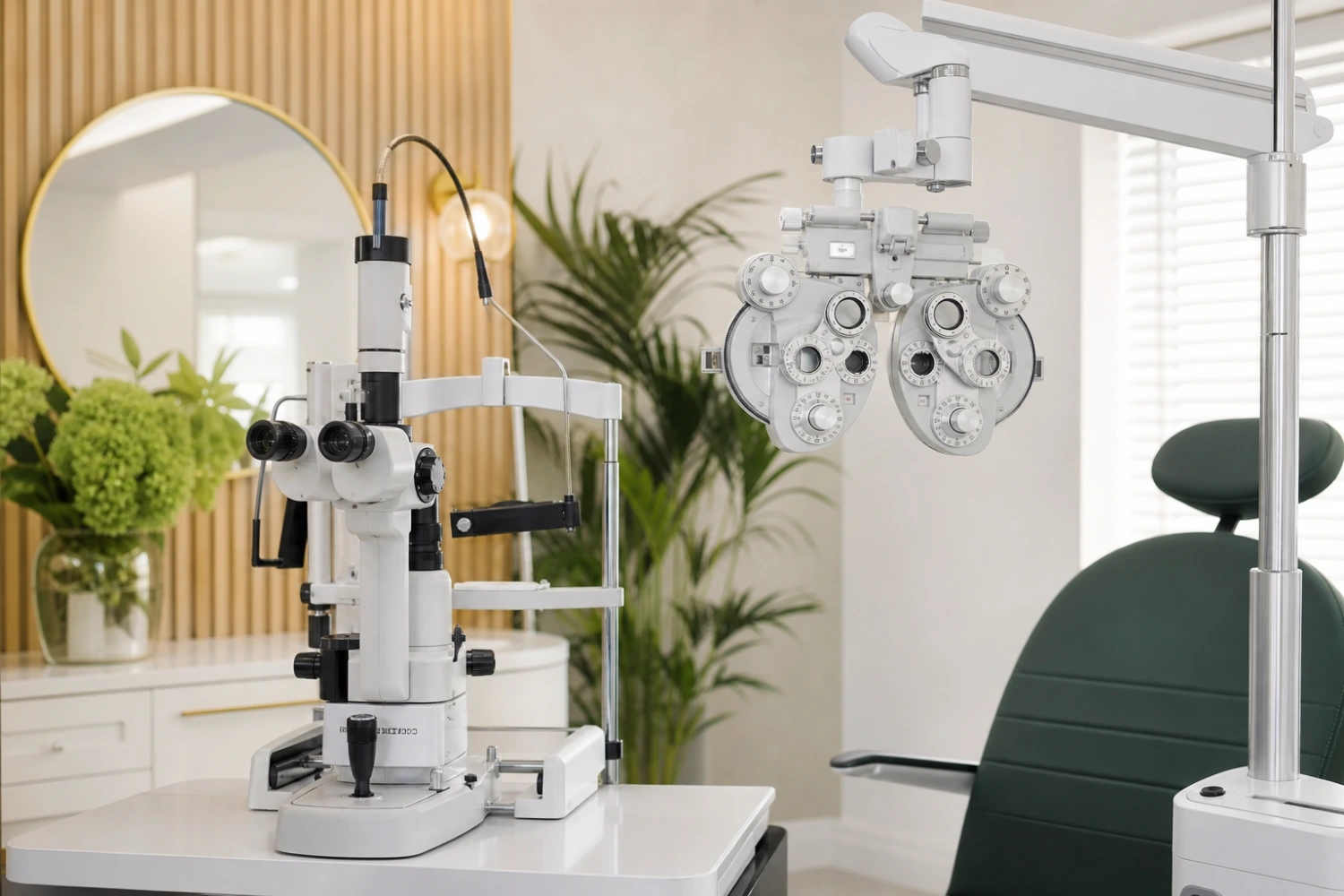
What is general eye care?
General eye care covers the assessment and treatment of everyday and urgent eye problems, including injuries, infections, dry eye and sudden changes in vision. It is a broad service, so the appointment is shaped around your symptoms rather than a single fixed procedure. Some people are seen once and reassured. Others need imaging, medication, a minor procedure or a referral for subspecialty surgery.
General eye care is not the same as a routine sight test at your local optometrist. A sight test measures your vision and screens your eye health. A medical eye assessment with Mr Zine Elhousseini investigates a symptom or a suspected diagnosis and arranges treatment. The two services work well together, and your optometrist can share their findings.
Who is general eye care for?
General eye care suits adults with new, worsening or persistent eye symptoms. The main groups seen in clinic include:
- Ocular trauma: injuries affecting the eye and surrounding structures, including blunt or penetrating trauma, requiring immediate assessment and intervention.
- Dry eyes: caused by insufficient lubrication and moisture on the eye's surface, leading to discomfort, irritation and a gritty sensation. Causes include blepharitis and underlying systemic disease.
- Infections and inflammation: conditions such as conjunctivitis and keratitis, which cause redness, swelling and discomfort. Contact lens wearers with a painful red eye need prompt review.
- Sudden vision loss: an abrupt loss of sight that can signal an underlying problem such as retinal detachment or a vascular occlusion. This always needs urgent assessment.
- Ongoing monitoring: people with a family history of glaucoma, diabetes or previous eye surgery who want structured review.
Which symptoms need a same-day eye assessment?
Some symptoms should never be left to settle on their own. Seek urgent advice if you notice:
- Sudden loss or blurring of vision in one or both eyes.
- A shower of new floaters, flashing lights, or a shadow or curtain across your vision.
- A painful red eye, particularly if you wear contact lenses.
- Any penetrating injury, or a chemical splash, which should be irrigated immediately and treated as an emergency.
- New double vision, or eye pain with headache, nausea and haloes around lights.
The NHS advises urgent review for symptoms suggesting a detached retina, because earlier treatment gives the retina the best chance of recovery. If you cannot be seen quickly in clinic, attend your nearest eye casualty or A&E department.
The procedure
Emergency surgical intervention covers immediate measures, including suturing, wound repair and other procedures needed to treat traumatic eye injuries. Blepharitis and dry eye therapy includes IPL (intense pulsed light) treatment to relieve blepharitis symptoms, alongside lifestyle modification and targeted treatment of any underlying systemic disease. Urgent diagnostic and therapeutic intervention means rapid diagnostic testing to identify the cause, followed by targeted treatment with medication, surgery or other specialist intervention.
Recovery
Recovery depends entirely on the underlying condition. Minor infections and inflammation typically settle within days with the right treatment, while dry eye is usually an ongoing condition managed with continued therapy rather than a single fix. Traumatic injuries and sudden vision loss are assessed urgently, with recovery time confirmed individually once the cause has been diagnosed.
FROM
£3,500 per eye
Procedure time
Varies
Anaesthetic
Not usually required
Recovery
Varies by condition
Hospital stay
Outpatient