Recognising the Symptoms of Retinal Detachment
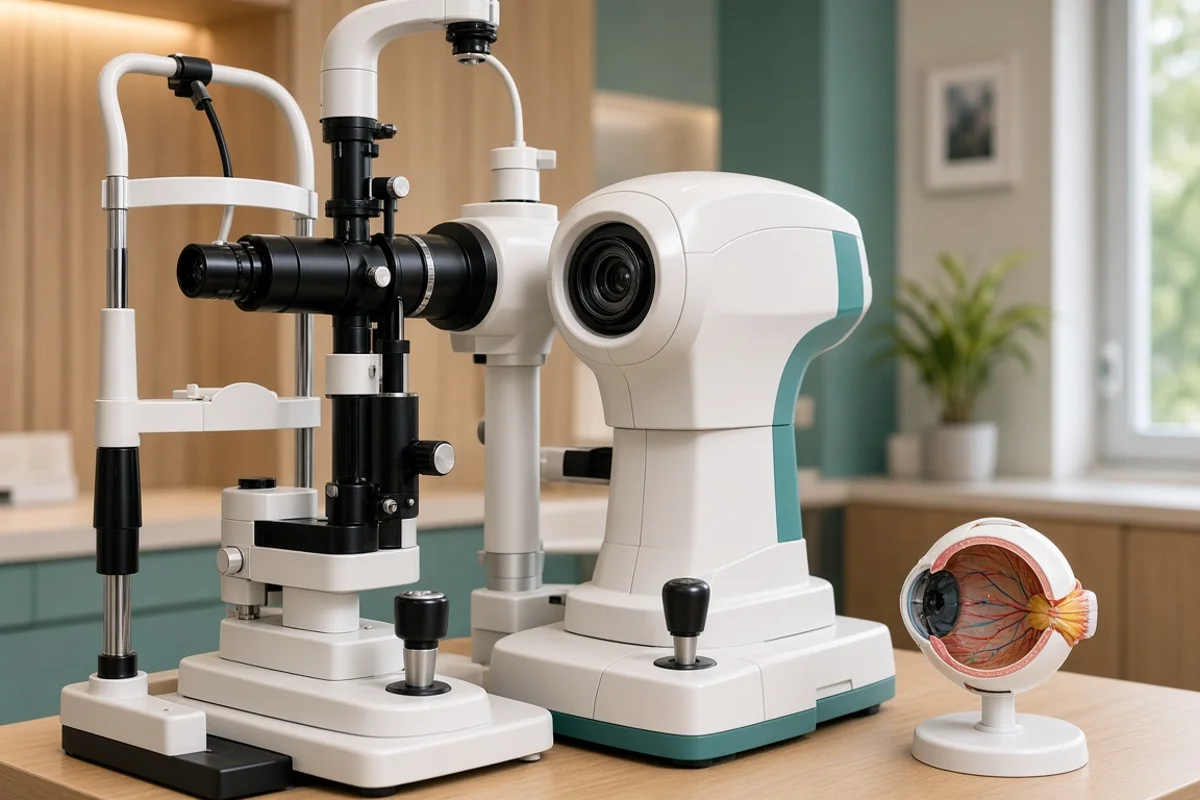
The symptoms of retinal detachment are a sudden shower of new floaters, flashes of light in your side vision and a dark shadow or curtain spreading across your sight. They are usually painless and affect one eye. Retinal detachment is a sight-threatening emergency, so these symptoms need same-day assessment. The sooner the retina is repaired, the more vision can usually be saved.
Mr Zine Elhousseini is a Consultant Ophthalmic Surgeon specialising in vitreoretinal surgery, medical retina and complex cataract surgery. He sees patients at the Royal Free London in Hampstead and the Hospital of St John and St Elizabeth in St John’s Wood. He offers same-day urgent appointments for suspected retinal detachment, and every patient is seen and treated by him personally.
What Is Retinal Detachment?
The retina is the thin, light-sensitive layer that lines the back of the eye. It turns light into signals that travel along the optic nerve to the brain. To work, it must stay firmly attached to the tissue beneath it, which supplies oxygen and nutrients.
Retinal detachment happens when the retina lifts away from this layer. The detached area stops working, and that part of your vision goes dark. If the detachment spreads to the macula, the centre of the retina that gives detailed vision, sight loss can become permanent. Imperial College Healthcare NHS Trust reports that around 1 in 10,000 people develop retinal detachment each year, most often between the ages of 60 and 70.
The 3 Main Symptoms of Retinal Detachment
The symptoms of retinal detachment develop over hours to days. They are almost always painless, which is one reason people delay seeking help. The changes are visual and usually affect one eye only. The NHS lists floaters, flashes of light and a dark curtain or shadow as the key warning signs.
1. New Floaters and Flashes
Most people have a few floaters, the specks or threads that drift across vision against a bright background. What matters is a sudden change. A sharp rise in floaters, a shower of tiny black dots or a large new cobweb-shaped floater can mean the gel inside the eye has pulled on the retina. This can cause a tear or a small bleed.
Flashing lights are just as important. They often appear as brief arcs or streaks at the edge of vision, especially in dim light or when the eye moves. New floaters and flashes together are the most common early symptoms of retinal detachment. They need a same-day eye examination.
2. A Shadow or Curtain Across Your Vision
As the retina separates further, many people notice a dark shadow moving across their vision. It may start from one side, from above or from below. Some people say part of their vision is simply missing rather than blurred. This means detachment has already begun and urgent treatment is needed.
3. Blurred, Wavy or Reduced Central Vision
If the detachment reaches the macula, central vision becomes blurred, distorted or wavy. Straight lines such as door frames or text may look bent, and vision may dim. Once the macula is involved, recovery after surgery is less complete. This is why the early symptoms of retinal detachment need immediate attention.
Why Do the Symptoms of Retinal Detachment Appear So Suddenly?
The vitreous gel that fills the eye slowly becomes more liquid with age. Eventually it separates from the retina, a normal process called posterior vitreous detachment. In most people, this causes only temporary floaters and flashes. Sometimes, however, the gel stays stuck at certain points and pulls hard enough to tear the retina. Fluid then passes through the tear and lifts the retina away, sometimes within hours. This is why the symptoms of retinal detachment can progress from a few floaters to a shadow in a single day.
Who Is Most at Risk of Retinal Detachment?
Retinal detachment can affect anyone, but some factors raise the risk:
- Moderate to high short-sightedness, which is linked to a thinner retina
- A previous detachment in the other eye, or a family history
- Recent eye surgery, including cataract surgery
- A significant blow to the eye or head
- Age over 50, when changes in the vitreous gel become more common
- Retinal thinning, such as lattice degeneration, found at an eye test
- Advanced diabetic retinopathy, which can cause detachment through scar tissue
If you have diabetes, attending NHS diabetic eye screening helps detect retinal changes early.
When Should You Seek Urgent Assessment?
Any sudden change in vision needs same-day assessment. This includes a sudden rise in floaters, new flashing lights, a shadow across your vision or a sudden drop in sight. Do not wait to see if the symptoms settle. The NHS advises contacting NHS 111 straight away, and Mr Elhousseini offers same-day urgent appointments for suspected retinal tears and detachments. Outcomes depend heavily on how soon the retina is reattached.
How Is Retinal Detachment Diagnosed?
Diagnosis is painless and based on a careful examination. Your consultant will ask when the symptoms started and how they have changed, and measure the vision in each eye. Dilating drops widen the pupil so the whole retina can be examined for tears. A scan such as optical coherence tomography (OCT) may be used, or an ultrasound if bleeding blocks the view. The drops blur vision for a few hours, so do not drive yourself home.
What Treatment Options Are Available?
Treatment depends on whether a tear is found before the retina detaches. It also depends on the size, position and duration of any detachment. Mr Elhousseini explains the benefits and risks of each option before treatment begins.
Treating a Retinal Tear Before Detachment
A retinal tear found early can often be sealed with laser treatment or freezing treatment (cryotherapy). Both create a small, controlled scar that holds the retina in place around the tear. This can stop a tear from progressing to a full detachment.
Surgery for Retinal Detachment
Once the retina has detached, surgery is needed. In 2026, the main options remain vitrectomy, where the vitreous gel is removed and replaced to support the retina, and scleral buckling, where a silicone band is placed on the outside of the eye. A gas bubble injection may suit selected cases. Imperial College Healthcare NHS Trust reports that a single operation is successful in about 85 to 90% of cases. Some people need more than one operation, and final vision depends mainly on whether the macula was affected.
What Does Recovery Involve?
Recovery depends on the technique used. The NHS notes that vision may be blurred and the eye sore for 2 to 6 weeks. If a gas bubble is used, you may need to keep your head in a set position for several days. The bubble is absorbed over two to eight weeks, and you must not fly until it has gone, because pressure changes can cause it to expand.
You will use anti-inflammatory and antibiotic drops and should avoid heavy lifting for a short time. Cataract is a common later effect of vitrectomy. Imperial College Healthcare NHS Trust estimates that around 1 in 5 patients may need cataract surgery within a year of retinal detachment surgery.
Can Retinal Detachment Be Prevented?
There is no guaranteed way to prevent retinal detachment, but you can lower the risk. Regular eye tests can detect retinal thinning early, especially if you are short-sighted. Protective eyewear during sport and DIY reduces the risk of injury. Good control of blood sugar and blood pressure supports retinal health in people with diabetes. Above all, acting quickly on new symptoms of retinal detachment is the most effective way to protect your sight.
Frequently Asked Questions
What are the first symptoms of retinal detachment?
The first symptoms of retinal detachment are usually a sudden increase in floaters, new flashing lights in your side vision, or both. A shadow or curtain may follow. The changes are painless, which makes them easy to dismiss.
Can the symptoms of retinal detachment go away on their own?
No. Floaters and flashes from simple vitreous separation may settle, but a retinal tear or detachment will not heal without treatment. Only an examination with dilating drops can tell the difference, so urgent assessment is always advised.
Is retinal detachment painful?
No. The retina has no pain receptors, so you notice changes in vision rather than discomfort. The lack of pain should never be taken as a sign that the eye is healthy.
How quickly does retinal detachment need to be treated?
You should be assessed on the same day symptoms appear. If detachment is confirmed, surgery is usually arranged within days. Treatment before the macula is affected gives the best chance of keeping useful vision.
Can retinal detachment affect both eyes?
It usually affects one eye at a time. However, people who have had a detachment in one eye have a higher risk in the other, so report any new symptoms straight away.
Does cataract surgery increase the risk of retinal detachment?
There is a small increased risk after cataract surgery, especially in very short-sighted people. The overall risk remains low, and your surgeon will discuss it before any procedure.
Fast Action Protects Your Sight
The symptoms of retinal detachment are painless but urgent, and same-day assessment gives the best chance of saving your vision. Mr Zine Elhousseini offers same-day urgent appointments in London and will examine your eyes and explain your treatment options clearly.